Company Articles
Designing Climate-Resilient Infrastructure
Jul 01, 2026

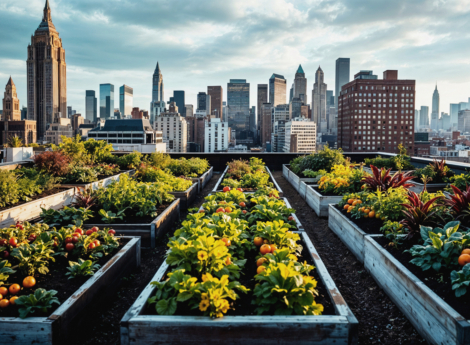
More frequent extreme weather, rising ocean temperatures, and shifting precipitation patterns are forcing site-civil engineers to reconsider how roads, sites, drainage systems, stormwater infrastructure, and public works are planned and built. In this environment, climate resilience is no longer a forward-looking ideal but a core requirement for responsible design.
Designing for Uncertainty and Adaptation
In response, site-civil engineers are incorporating climate adaptation into every stage of project development. Hydrologic models increasingly integrate climate projections alongside historical records to estimate future precipitation patterns, runoff considerations, and flood risk. Rather than relying on established storm frequencies, engineers are expanding design parameters to account for uncertainty and the potential for more extreme weather.
Resilience measures are also evolving. Design storm criteria are being reassessed, flood protection systems are being upgraded, and confidence intervals are being widened to reflect changing environmental conditions. Water supply, wastewater, and stormwater systems are now evaluated through the lenses of both drought and flood resilience to maintain operational continuity under highly variable climate conditions.
The Growing Role of Green Infrastructure
Green infrastructure has emerged as one of the most effective approaches for achieving these goals. By incorporating natural processes into engineered systems, civil engineers can mitigate stormwater runoff, reduce urban heat island effects, improve water quality, and conserve and protect natural resources. Strategies such as rain gardens, bioswales, permeable pavements, green roofs, and stormwater retention systems help communities adapt to changing environmental conditions while providing aesthetic and social benefits.
Effective green infrastructure planning depends on more than individual design features. It requires an integrated approach that balances environmental performance, resilience, efficiency, community priorities, and data-informed decision-making.
From Analysis to Real-World Application
Communities around the world are demonstrating the value of these approaches through innovative projects that balance sustainability with resilience. Urban green spaces, including parks, rooftop gardens, and community agriculture initiatives, provide recreational opportunities while improving air quality, moderating temperatures, and managing stormwater. Data analysis helps determine where these investments can produce the greatest environmental and community impact.
Renewable energy integration represents another important aspect of resilient infrastructure planning. Solar panels, wind turbines, and geothermal systems can be incorporated into various environments to reduce greenhouse gas emissions and diversify energy sources. By analyzing variables such as solar exposure, wind availability, and projected energy demands, engineers can identify the most effective locations and configurations for renewable energy systems.
The relationship between green infrastructure and broader urban planning objectives continues to strengthen. Infrastructure projects cannot be evaluated in a vacuum; each component influences surrounding ecosystems, neighborhoods, and economic systems. Understanding these connections enables engineers to develop solutions that improve environmental performance while supporting community growth initiatives and long-term resilience.
Balancing Performance, Cost, and Community Impact
Effective project management is critical to translating these concepts into successful outcomes. Collaboration among multidisciplinary teams, transparent communication, and strong oversight throughout planning and construction are essential to project success.
Designing for resilience requires balancing constructability, cost, regulatory requirements, and long-term performance. While these competing priorities can present challenges, infrastructure that anticipates future risks is better positioned to protect public safety, preserve natural resources, and sustain community functions.
As organizations and communities respond to growing climate uncertainty, the value of experienced engineering guidance becomes even clearer. Successful projects depend on technical expertise, thoughtful planning, and the ability to integrate resilience, sustainability, and regulatory considerations into practical design solutions.
Firms such as MFS Engineers & Surveyors play an important role in helping clients navigate these challenges by delivering site and civil engineering solutions that are functional, compliant, and environmentally responsible. In that context, partnering with knowledgeable professionals is not simply a project decision but a strategic investment in long-term performance and resilience.